Mechanical Engineering Innovation

The Evolution of Mechanical Shredding: Towards Greater Energy Efficiency

Published on by the TrituraCaucho team

The tire recycling industry faces the constant challenge of optimizing its processes. In this third analysis, we explore how advances in mechanical engineering are redefining energy efficiency in rubber shredding systems.
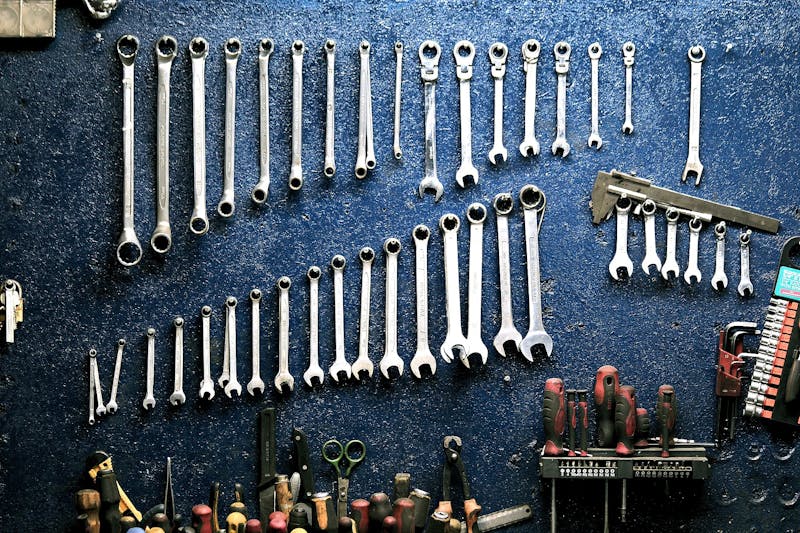
Detail of industrial machinery and precision tools in a workshop
Precision in the design of components for shredding machinery.

Redesign of Critical Components

The pursuit of efficiency has led to a deep redesign of components such as drive shafts and cutting blades. Using high-alloy steels and geometries optimized through computer simulation, friction and wear have been reduced by 40% compared to previous designs.

This advance not only extends the lifespan of industrial machinery but also significantly decreases energy consumption per ton of processed tire.

Energy Recovery Systems

A notable innovation is the integration of systems that capture the kinetic energy generated during the mechanical shredding process. Through regenerative braking mechanisms, similar to those used in electric vehicles, this energy is converted back and reintegrated into the plant's electrical system.
Modern control panel with energy efficiency graphics
Real-time monitoring of energy performance.

This approach turns a traditionally energy-intensive process into a more sustainable one, aligning industrial machinery manufacturing with the principles of the circular economy.

The Future: Automation and Intelligent Control

The next frontier lies in implementing artificial intelligence algorithms that dynamically adjust operating parameters (speed, pressure, cutting force) based on the type and condition of the input tire. This maximizes the performance of granulation for sports surface production, ensuring uniform quality of the rubber granule with the minimum possible energy expenditure.

These developments are not just theoretical; they are already being tested in prototypes of our next generation of shredders, paving the way for a cleaner and more competitive tire recycling industry.

Frequently Asked Questions about Tire Recycling

Technical answers to the most common questions about our rubber shredding and granulation systems.

What makes your mechanical shredding machinery different from other systems on the market?

Our systems focus on energy efficiency and the robustness of the reinforced steel used in the blades and shredding chambers. Unlike thermal methods, our cold mechanical shredding preserves the rubber granule structure, making it ideal for high-value applications like sports surfaces. Process automation reduces manual intervention and maximizes output.

What type of final product is obtained with your granulation process?

The process generates high-purity rubber granules of uniform size, classified using vibrating screens. This material is the main input for manufacturing modular sports surfaces, safety tiles, and acoustic and thermal insulating materials. The granule size can be adjusted according to customer specifications, from coarse chips to fine powder.

How is the conveyor belt integrated into the complete recycling line?

The industrial conveyor belt is the backbone of the material flow. It transports shredded tires between the different phases: from the primary shredder to the granulator, and finally to the classification and storage area. Our designs prioritize adjustable inclination, abrasion resistance, and integrated cleaning systems to maintain continuous operational efficiency and safety.

What maintenance do your rubber shredding equipment require?

Maintenance is scheduled and preventive. It focuses on the sharpening and replacement of reinforced steel blades, lubrication of high-load bearings, and inspection of hydraulic and electrical systems. We provide service plans and original spare parts to guarantee the machinery's lifespan and minimize unplanned downtime.

Can recycled rubber granules be used for insulating applications?

Absolutely. The produced rubber granules possess excellent acoustic and thermal insulation properties. They are used in the manufacture of insulating panels and blankets for construction and industry. The material is elastic, durable, and resistant to moisture, offering a sustainable, high-performance solution compared to traditional insulating materials.

Do you have a more specific technical question? Contact our engineering team.

Cookie Usage

We use cookies to improve your experience on our site. By continuing to browse, you accept our cookie policy. You can manage your preferences at any time.

🌍 EN
ES EN